Finding Joy in Sobriety, Creative Careers, & Motherhood (with Champagne Manley)
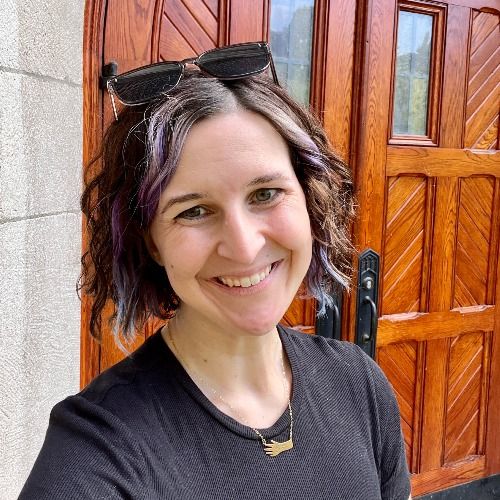
Champagne Manley, a mom and the owner of Cakedd by Champ, joins host Emily Hessney Lynch for a fun and thoughtful conversation about feeling lost, figuring out her path, the realities of alcoholism, getting sober, motherhood, and more. In the first half of the show, Champagne shares what it was like to go from a sheltered upbringing in a very religious family to attending community college and partying as much as possible. We also discuss what being an alcoholic was really like, getting fired from jobs, doordashing alcohol during COVID, and how a 24/7 online AA meeting was the turning point that finally helped her feel understood.
In the second part of the episode, Champagne shares what it was like when her daughter was born 10.5 weeks early, why she and her husband are choosing to be one and done, and what she hopes her daughter learns by watching her mom forge her own path and run a creative business.
Links:
- For more of Champagne, follow her on Instagram. Her cake business is Cakedd by Champ, which you can also follow on Instagram here.
- Follow Emily on Instagram and check out her business, Serve Me the Sky Digital, if you need a social media strategist, speaker, or writer!
- 24/7 online AA meeting.
- It's a Lot episode featuring my son's neurologist, Dr. Sam Mackenzie.
- Champagne's book recommendations: Sky Daddy; The Silent Patient; Incidents Around the House.
- The movie I saw at the Anomaly Film Festival where a woman is in love with an amusement park ride is Jumbo (2020).
- Gay frog plushie from InfoWars.
To support the show, leave us a one-time (or recurring!) tip. We'll send you a sticker to say thanks!
We're a proud member of the Lunchador Podcast Network. Our logo is by Tenderchomps Art.
Mentioned in this episode:
Joe Bean Roasters
Visit joebeanroasters.com to get fresh roasted specialty coffee either by the bag or with a Perpetual Joy subscription!
Mind of Magnus
The Mind is an An Amazing Space Dive into the Mind of Magnus Champlin. A creative brain cursed with endless curiosity. The show focuses on learning about everything and anything, from factoids to deep dives into theories. Magnus interviews guests sharing their stories and life adventures all with the goal of expanding our minds. We are always on the lookout for the next awesome thing to learn!
Transcript
Literally the stroke of midnight, I started having contractions. I go into the room with my husband and I'm like, I think I'm having contractions, but I think it's like, nothing.
I'm just, I'm gonna go to the hospital. I'm gonna drive myself. And he's like, no, you're not. He's like, you're not. He's like, get in the car right now. I'm like, it's probably nothing.
And then seven hours later, I'm having her.
Emily:Hello, and welcome to It's A Lot, a podcast about things that are a lot. On this show, we have honest conversations about the highs and lows of social media, parenthood, and more.
When it comes to complex topics, online discourse can lack nuance and empathy. That's why we're leaning into deep conversations, making space for conflicting, messy feelings, and keeping it real about how we feel.
We could all use a little more of that sometimes. I'm your host, Emily Hessney Lynch, and today I'm looking forward to chatting with Champagne Manley.
Champagne is the owner and founder of Cakedd by Champ, a custom cake and cookie business, and has pursued many other creative ventures along her unconventional path. She sings in many different bands, and she's an ADHDer, queer, sober, and a toddler mom.
When they're not hanging out with their husband and daughter, Champagne loves sewing, watching anime, and reading weird girl books. I'm looking forward talking about all of those things. So welcome to the show, Champagne.
Champagne:Thank you. Thank you for having me.
Emily: ips in the night in the early:For sure, I knew people who knew you. I had heard your name right, like at U of R, but we never actually met.
Champagne:Separation type thing.
Emily:Right. So I know, like, back in the day, you were at MCC for a while.
Champagne:Yeah.
Emily:Didn't finish MCC. So talk us through. Like, what was in your head when you were finishing up high school? What did you think you were gonna do next?
Champagne:So high school is kind of like a blur. But the overall feeling that I had when I graduated was just confusion. Like, I had no idea what I wanted to do with my life.
I knew that art was my passion and I loved creating. My mom was the one who got me into creating.
Ever since I was like a small child, I was watch her create, like, baskets for our church, and she was always the first one to help me out with, like, my school art projects and things like that. So that, like, kind of carried me through high school. I was really good at, like, computer art and things like that.
But by the time I graduated, I was like, I don't know if I want to do, like, secondary school. Like, I don't know if I'm really good at academics. I know I'm really good at art. Like, that's all I know I can do.
How can I do that for the rest of my life and make money? I had a lot of friends that, like, as soon as they were, like, in middle school, like, they just knew what they wanted to be.
I have a friend named Eric Schrader, who, in middle school, he just always knew he wanted to be a high school teacher. He just always knew that. And now he is in North Carolina, I believe, just, like, living his best high school teacher life.
And I'm, like, part of me was very jealous of the people who just knew. I had no idea. The only thing I knew is that I was really good at art and I wanted to get the heck away from my parents as fast as I could.
So I really saw, like, secondary school, mcc going there as an opportunity to just leave the nest and, like, be myself fully and just try to figure it out. At mcc, I ended up taking up photography. I switched my majors a ton of times. Like, obviously at that point I didn't know I had adhd.
But now looking back, I'm like, that's a very ADHD thing to, like, just change majors and change focuses that that much. So I did visual communications. I did photography. I did music theory. And I just. I didn't see myself as, like, an academic.
Like, the tests were really hard. Me focusing in class was, like, super hard. And during college, I mean, I had all that freedom for the first time just to kind of, like, go back.
I actually. The school that I graduated from, Eastridge, was not the school that I went to my entire life.
My parents were very Baptist Christian, so they sent us to private school up until I was in, like, 11th grade. So I was in Webster Christian, where there was like, a class of maybe 12 of us.
Emily:Wow.
Champagne:From the entire time, from sixth grade to, like, 10th grade, and then before that I was at North Baptist, which is now Northridge Church. They had a school, and it was like, the same very small, focused classes, very sheltered life. Right.
So leaving high school, I really only had, like, two years of, like, outside world experience, so I was just, like, ready.
When I left high school, I was like, okay, college, my Focus is just getting away from my parents and just figuring out who I am and all of that good stuff.
So my focus, yeah, like, it really was just partying, art and like trying to like, fit myself into this box of like, okay, I know I need to be here and I know like, I need to be figuring out what to do the rest of my life. But like, nothing that's inside my soul and spirit fits here. So I was just really like in a state of confusion. I didn't know. Really?
Emily:Yeah. I feel like that's so common in high school to have no idea what you want to do because there are so few careers we're exposed to.
Like, you see, see teachers, you see, right. Doctors, you have friends whose parents are maybe lawyers or just different, different jobs like that. But you don't necessarily know like, that you could own your own cake and cookie business. You don't meet a lot of people who do that.
Champagne:Absolutely. And like growing up, I'm not sure if you've like heard the same things, but like when I was growing up, art, creativity, that was all seen as secondary to what you are going to be doing in society. Like, yeah, no, you're gonna go to school, you're gonna get a job, you're gonna retire at that job, you're gonna die.
But if you do creative stuff that's just on the side, like you can't make money from it. You a living from it. Like, that's just something you do for fun. And that was kind of like beat into my head, especially in school. Like, you're right.
We would have people come in for like career days and they would talk about their like big wig jobs that they have or like jobs in the community where that were like, you know, they didn't really seem fulfilled and they're talking to a bunch of like 14, 15, 16 year olds like asking us what we wanted to do. And it's like we don't really know. And like, I always felt like, how are we supposed to know this young? You know what I mean?
We really feel like we have our whole lives ahead of us to figure it out. But it was just really, it was really tough.
But I just knew I had those two things in my pocket where like, I just wanted to like get out and figure out who I was.
But I also knew that like, deep down, like, I just wasn't creative in my bones and just trying to figure out how to like combine the two and like make money somehow in my future. Like, it's just, it's tough it's very tough, for sure.
Emily:My husband made the pivot from engineering to art a few years ago. Yeah, totally get that. The creativity, like, finally being able to explore that. Yeah. Dedicate yourself to it.
But at the same time, like, how do you make money? This is a big. Yes, it is really, really tough. Yeah. But he came from a family where.
I'm sorry if my mother in law listens to this, but these are the facts. My father in law worked at the same company for 36 years, and at his retirement party, he said, "I was only miserable for the last 15 of them."
Champagne:That's insane.
Emily:Like, how, how do you keep going?!
Champagne:When you are that, like, miserable?
Emily:So I think, like, having that modeled for him, he didn't. My husband didn't want to, like, take the risk and make the change, but he finally, like, pushed himself to do it.
And it's still been tough figuring out the path, but it's better than being miserable at the same time.
Champagne:Exactly. Like burning yourself out in that misery.
And where I'm at right now with my creative journey, which I'm sure we'll get into, it's just I'm so much happier than I thought I would ever be. And even I like past jobs and things like that that I worked. And I just was like, so this is it.
Like, I just have to sit here at this job for 20, 30, 40 years and be miserable and have no time or energy to do anything creative that feeds my soul afterwards and then just cease to exist. And like, what kind of, like, experience is that on earth, you know? So that's why. That's why, like, working outside of, like, college.
When I left, like, work was very hard for me because it just felt very, like, soulless, you know, the jobs that I did weren't very meaningful and they left me drained.
Emily:What kind of jobs did you explore when you left college?
Champagne:So when I left, my first job after leaving mcc after dropping out was at ADT Security. Like, just call center. It was a call center job. And that was the first job that I got, like, fired from.
Just, like, not showing up and just zoning out while I was there. And which is not good because you're like, focusing on people's alarms going off. Right. Like, but I did a lot of, like, call center work.
Work for, like, rgh. I served a little bit too. Served at friendlies. RIP to friendlies. They were so great. I love their food. And I was like, oh, you guys are hiring?
Like, we're sure to sign me up.
That was probably the most fun Job that I've ever had was working at Friendly's, but I did a lot of, like, service jobs, call center, stuff like that. To be honest.
Like, I probably got fired from, like, 90% of them either for just, like, not showing up, not like, just screwing off while I was there, or just my alcoholism at the time was so, so bad. Like, college was really when, you know, like I said, I had that freedom to kind of do what I wanted to do. And drinking was a priority.
Like, everything else was secondary. So when I left school, I was like, okay, I don't have to focus on, like, trying to, like, make it work here anymore.
Now I have more time to, like, work to make money, to go party. Like, that was. That was it. But kind of backfired because, you know, I got fired from so many jobs, like, I could not hold one down.
But even in all of that, like, when I was working at these jobs and everything, like I said, I had this feeling that, like, I just don't know if I can do this. Like, I don't know if this is the path for me. Like, I know, like, I'm creative. I got to figure out a way to like, make that my living.
But at the same time, like, I'm dealing with my alcoholism at that point in time. So it was working against me in every area, you know, like, every area.
Emily:So even any, like, standard day job. I feel like the structure we have in our society is just so detrimental and hard for people to be a neurodivergent or not, like, so hard.
I rarely have a full day to work with our childcare and how my husband and I split things with our kid and stuff. But today my husband was with our toddler all morning and we had the nanny all afternoon. And by 5 o', clock, I was like, I am so bored. I'm so done.
I can't work for eight hours straight. This is, like, the most boring day ever.
Champagne:Right?
Emily:I think I can only do, like, four or five hours at most. And, like, that's really, like, we don't need to force ourselves to work as much as we do.
Champagne:Exactly. I mean, it's just forced onto us to make us as productive to society as possible. Mainly for the man. You know what I mean? Like, we spend more time.
People spend more time at work than you do at home with their families.
But then society tells us, like, your family is most important and raising your children is most important, but you also need to work a million hours a week and never see them. It's so backwards to Me, things like that.
And those types of questions were ones that I was asking myself at a very young age and, like, in high school, that's why things didn't really make sense for me in regards to, like, finding a job that I would stay at for the rest of my life. Okay, well, if I want a family, I'm never going to see them. Like, these things just became overwhelming.
And I think they did add to, you know, my already, like, underlying, like, neurodivergent things that were undiagnosed and dealing with, like, religious trauma from my school and from my family. I think it just kind of boiled over into my alcoholism, which then, like, worked against me with trying to figure it out.
So, like, you like this podcast name? It was a lot.
Emily:So tell me a little more about the alcoholism. Like, what. What did it feel like in that era of life? And how did you know it had gone beyond just, like, oh, partying, whatever, drinking with friends. Like, what was it actually like?
Champagne:So it was. It was a lot. So I. I started drinking when I was, like, 16. Like, I would say the first year of public school. It was 11th grade.
I had a boyfriend at the time. You know, I'm sneaking out of my house. I'm going to drink with him.
And the thing is, like, I never liked the taste of alcohol, but I love what it did for me because it just completely brought my nervous system down to a point where I felt like I could just really be myself, whoever myself was at that point in time.
And so drinking with him through high school and my friends and stuff and then college, where I just had, like, unbridled access to alcohol, alcohol and people who partied at that point in time, it just felt like fun. You know, everyone's doing it. No big deal.
It wasn't really until, like, I got into my, like, later in my 20s, like, maybe like, 23, 24, that I started realizing, like, it was, like, affecting the things and the people around me. By the time I was 20, actually, I had gotten arrested for driving while intoxicated. And I did not. I didn't take that seriously. Like, I really didn't.
And it's. It's hard to say it out loud, but, like, that was just my truth at that time. You know, I went through the court system. They put me on probation.
You know, I had to take these, like, classes and all this stuff. And I just remember sitting there thinking, like, I'm not doing anything different than anyone around me. Why am I the one getting in trouble for it?
Like, it didn't hit me quite yet.
Emily:And this is pre. Like, Uber and Lyft too.
Champagne:Exactly.
Emily:It was like, so probably made it worse. Exactly.
Champagne:You had to call a cab and, like, if they showed up, great. And if they didn't, like. And most of the time they did it, you know, they were, like, so overwhelmed.
So it was before Uber and Lyft, which is still like, you know, not excuse for what I did, but, like, just to give people an idea. Like, now you can just like, this is like, you know, way back. Like, now it's so much different. Like, I really don't feel like there's an excuse.
Just call somebody. They can come pick you up. So by the time I was 20, I was dealing with that. It was super embarrassing.
But again, I was just like, whatever, slap on the wrist. I'm not doing anything different than anyone else. I'm just going to continue to live my life.
And then I got arrested again four years later, and that one was a lot more serious. I was drinking and driving, and I actually ended up, like, causing property damage to someone's home. I still am not clear on the whole thing.
That's how intoxicated I was at court. The judge looked at me. I was 24 at the time, and my BAC was a 0.28. And he was like, your BAC is higher than how old you actually are.
Like, you are in trouble this time, ma'. Am. And I was like, okay. And you would think like, any normal person would. Would be like, this is it. Like, we gotta buckle down. We gotta get serious.
It just made me angry. Like, I was just mad. And I felt like the only thing in my life that I felt like I had control over was just, like, how I felt when I was drinking.
And that. That feeling I was chasing for her, like, ever. I was just always constantly chasing, feeling nothing but, like, feeling everything at the same time.
And I feel like people who are also, like, addicts and things, like, they'll understand what I mean when I say that. And my drinking has just got progressively worse throughout the years. Like, I was not the friend that you take out.
I was the friend that, like, you drink at home, like, you can't come out with us. Even though I love going out, you know, I'd fall asleep at bars. I'd be kicked out of bars.
There have been a couple times where, like, I'd have my stomach pumped, like, stuff like that. It was really bad. It wasn't until I met my husband, my now husband, that, like, I realized that, like, I maybe have Like, a problem with this.
Like, I was starting to hide alcohol in the house and like, I would lie about drinking and things like that. And he would call me out on it, and it didn't really feel great, but it isn't anything I didn't already hear.
And then Covid happened, and we all were home, nobody was doing anything. And they started to deliver alcohol to your house during COVID through doordash. And I abused that system.
I remember the same guy coming to my house to drop off alcohol once, twice a day sometimes. And he looked at me one time, just gave me this look. He was like, older black gentleman, like, are you. Like, I've been to this house many times.
And I just felt like, just shame. But that shame also kept me drinking.
rried, and it was in April of:I had been drinking all day and he had come home. I just. I remember him coming into the house and me saying hi to him.
And the next thing that I remember is like, it's hours later, he's storming out of the house. He's so angry. He's like, you're lying to me again. Like you're drinking. He's like, I'm not doing this. Like, I'm done.
And he, like, walked out and he left me, went to his mom's house. And at that point, like, even in my drunkenness, I was like, you are doing this again.
Like, you are ruining the good things that happen in your life again. Like, this is just a cycle. Like, you're just repeating the same cycle. Like, you gotta wake up at that time.
Before that happened, I would, like, wake up some days and I'd look on my phone and I would see that, like, even in my drunkenness, I was calling, like, the gambling and like a hotline, like, asking for help, like, reaching out for help. And I had no memory of it the next day. And I saw a text message on my phone the night that my husband left.
And it was from someone that I met on an online AA group that was located in Rochester. And she said, this is the 24 hour AA online group. This. They do AA meetings on the hour, every hour online. They never stop.
Like, if you ever need help outside of an in person meeting, click this link. So I remember just, like, drunkenly going up to our bedroom crying. Like, I had just had it.
So before I logged in, I literally said a prayer to God, universe, whoever it was.
And I said, the only way I'm going to be able to get through this is if you send me good people to help me, because I can't help myself at this point. So I logged into a online.
Thousands of alcoholics that were in there, and they were sharing their stories, they were talking about it, and I was feeling angry and I was sad and I was depressed because I was like, I have to let this go. Like, the one thing that I love more than anything in my life right now, which is alcohol. Like, I have to let it go.
And I was feeling all the waves and emotions, but I was getting something out of that meeting. And it was just like, a sense of, like, community and really that, like, I was not alone. Like, alcoholism looks so different for so many people.
It's not just like someone living under a bridge and they have no money and they're, you know, not clothed well or kept very well. It's like a lawyer who works like, 80, 90, 100 hours a week or whatever and just drinks to, like, cope. It's literally like your neighbor.
Like, you have no idea. They're undetectable. Like, I met people that shared my story. They shared my feelings.
And for the first time, like, I actually genuinely felt understood. So I continued to go. I continued to go online. I had the meetings playing in the background while I was at work.
rom that meeting, which was a:And I made friends from that meeting. I met my, like, very best friend. Like, to this day, in that meeting, her name is Bea. Shout out to you, B. I love you so much.
And I took a trip to visit her that year, and I met other alcoholics. We all shared our stories. We had a great time without alcohol for the first time in my life and for a lot of them, too.
st of:Yeah, I just celebrated six this year. And I've experienced so much more joy in my life now than I ever did or ever Thought I did when I was drinking.
And I was able to do a lot more creatively because I stopped drinking. You know, that worked against me when I was starting pop shop and things like that. Like, I was still drinking when I started that.
So it's just opened up so many more doors. And it was a huge part of my life for a while, and it's a huge part of who I am.
It went from being, like, very, very dark to, like, getting really, really good.
Emily:That's incredible. Thank God for that. Like, every hour, on the hour, online meeting. What an amazing.
Champagne:To this day, wow. Like, they just have never stopped. Like, sometimes what they'll do is they'll do, like, a reboot. So, like, they'll reboot the system.
That's like, 10 minutes, and they're back online. And it's not even just people in America. It's, like, people everywhere in the world. And it's really cool. It was so cool. It was so amazing. Yeah.
Emily:Have you ever found, like, I know that, like, addict or alcoholic brain seeks that feeling that you talked about of, like, you wanted the feeling that alcohol gave you.
Is there anything you found that, like, replaces that, or was it kind of learning to be comfortable with yourself and, like, changing, like, how you move through the world in some way?
Champagne:Yeah. So I would say in early sobriety, it was the connection with the people that I made around me that were also in AA and those friendships that just were not centered around alcohol.
Like, it was for the first time, like, the first time in my life that I felt like I had genuine connections with people that wanted nothing from me but to just see me get better and to help them get better. And it wasn't centered around us just going out to drink and party and things of that nature.
I remember the first time, it was like, I was, like, maybe a couple weeks sober at this point. My friends invited me out on a boat trip, and they knew I was sober, so they were, like, doing their best to be, like, you know, cautious around me.
But I just like being on the boat and, like, seeing the sun and, like, feeling the wind. That just felt like a very spiritual experience for me. Like, and that's where I was like, okay, I want to feel more of this around me.
How much can I, you know what I mean?
Like, without needing alcohol, it was just like being in the elements, just, like, hanging out with people, not having to worry about drinking more to impress people. That was it for a while. And then my friend B, she started working out, and then I was like, well, Maybe I should start working out, too.
And that quickly became, like, my thing, like, working out. And, like, the feeling after working out was incredible.
Like, a lot of people that, like, are addicts and they're turning the lights around, like, they go to the gym. Like, it's like a joke.
Like, in recovery, where it's like, you know, you go from one addiction of, like, you know, alcohol or drugs, and you go right into the gym, and that becomes, like, your new addiction. And, yeah, even, like, talk to my doctors. They're like, yeah, like, that's great. You know what I mean?
Like, if you want to go to the gym twice a day and that makes you feel good, do it. You're doing something healthy for yourself. So it's been, like, working out for me, mainly.
I worked out basically on my own all the way up until I got pregnant. And then I got, like, high risk, like, overnight with that. But then now I go to burn boot camp as much as I can.
Usually I try to go five times a week, but maybe a lot. But that feeling that I get from working out definitely has helped replace any feeling that I ever had.
Wanting to drink or the feelings I got from that. That's awesome.
Emily:Think of, like, how I feel with my toddler outside on a sunny day in the summer and just, like, watching him play or doing chalk with him and, like, feeling those sensory things, like, the chalk in your hand, the sun on your face. Like, I didn't know if I would, like, go back to drinking after I had him.
And I, like, still drink very occasionally, but, like, it's so hard to keep up with a toddler anyway.
Champagne:It is.
Emily:And, like, being present and not being tired from having a drink or whatever, like, you don't need it to enjoy a toddler.
Champagne:For sure. You don't, because that toddler is gonna keep you busy, and, like, you can blink, and they'll be, like, flipping off of something.
You know what I mean?
Emily:Exactly.
Champagne:Be, like, on it. I knew I wanted a family when I was younger and, like, in my early 20s, but, like, I also knew I loved drinking, you know what I mean?
And that I didn't want to give that part of me up. And I do feel like wine culture and, like, is, like, a huge thing with, like, mommies, you know?
I mean, like, all, like, have the wine, and I was like, I don't know how y' all are doing it. The way that I drink, you know, it would be very bad. So I definitely knew I had to get sober first before I could have any of Those things.
And, like, being a sober mom is like, my biggest flex. Like, I get to spend every moment with her. And I always tell my husband, like, she's the only person on this planet who knows me completely sober. And it's the coolest thing ever.
Emily:Well, can you talk a little bit about. You mentioned pop shop Jewelry.
So tell us a little bit about, like, that era of being a business owner, like, what it was like, and then kind of transitioning out of it. I'm curious.
Champagne: st baby. I started, I say, in:And I remember I was on Pinterest one day and I was like, why did I stop doing this? Like, I would see Khalil jewelry pop up. Like, why did I stop doing this? I should start doing it. Very ADHD thing of me that.
Just be like, the next day, go buy everything you need to start it and just start it up. I was working full time at that time, and I would come home, you know, make dinner for everyone, me and my husband at the time.
Well, soon to be husband at the time. And then he'd go to bed and I would be working on jewelry from 10 o' clock to like, maybe 2 in the morning, and then get up at work for eight.
At 8 o' clock in the morning. And so it was a lot of grinding. But eventually, like, it just took off. Like, I just had, like, laser focus on it.
And I wasn't really expecting anything to happen, but it did. And I would say, like, a year into me doing it, I looked at my husband and I said, I think I should quit my job. Like, I think it's time.
And it was scary. And, like, when I did quit my job again, it was like the first time, like, I actually quit a job and didn't get fired.
I was like, I think it's time for me to leave this job to focus on jewelry. And he backed me, and it just took off from there. And I was able to do it full time for about four and a half years. It was really, really fun.
Emily:That's awesome. Yeah. What made you want to move on from that? Was it because of having a baby?
Champagne:Yeah. So I had plans for when I was pregnant. And, you know, they say, like, man makes plans and God laughs. Like, that's basically what happened.
I had plans that, you know, she was originally due in December, so I was like, I'm gonna work, work, work until she's due, take some time off, get back into it. But she ended up coming ten and a half weeks early. So things definitely shifted.
I was on bed rest for a little bit because of why I had to have her early. My. I had to have her circlage placed because at 20 weeks, my cervix decided to just open to almost 2 centimeters.
And the doctors were like, you need to go to the hospital right now and get that taken care of. So that was scary.
I took a look at my daughter when she was born, and everything that I thought that I want that was going to do when she got here, I was like, I don't want to do anything but spend all my time with you. I got to figure out what I can do so that I can spend all my time with you.
And anyone that's in a creative business that runs primarily on word of mouth and social media knows that, like, the grind is twofold. Like, you have to create the art that people want.
You have to figure that out, and then you also have to promote the hell out of it online, which means you're living on social media. And I didn't want that life for myself.
Like, I didn't want to be so busy at homemaking and then so not there mentally because I'm online promoting stuff. I was like, I gotta give this up.
It just became overwhelming to log into the app at times and, like, seeing everything that I would have to do in order to be successful. So I just decided it was time to close up. I literally. I didn't say a word to anyone.
I didn't say a word to anyone online, which I do feel bad for because I had a lot of people that supported me. I just quietly closed the shop and I just told my husband, like, I'll figure something else out because this doesn't feel right anymore.
And I just want to be here with her.
Emily:I'm surprised. Like, I looked for the Instagram the other day, and I didn't even realize it was completely gone.
Champagne:Girl. Yeah, I deleted her while we were in the nature. Yeah. I was like, I can't do this.
Like, I was already so stressed from, like, having a baby so early, right?
And I was like, the last thing on my mind right now is trying to figure out what to do with this business that I'm, like, not even enjoying right now. But I just knew, like, I have that, like, that thing about me.
Even my friends say, like, you just, like, you set your mind to something and you just do it. So, like, if you have a thought about doing something, it's as good as done. And I'm like, you know, you guys are right. Like, that is very me.
So I knew I'd figure something else out. My priorities just totally shifted a lot.
Emily:Earlier than expected with the cake business. Now, how is that different from the jewelry era? Because it seems like you still have to do a lot of promotion online and be present on social.
Champagne:It's not as much as, like, you think once you, like, break into your audience.
So I knew that I didn't want to be, like, working, working, working, working at home and then, like, also, like, promoting online, like, all the time. Like, one of those things had to go. So I wanted a slower Internet presence. Like, I wanted one that was felt more intentional.
Pop shop had about 15,000 followers. And, you know, as you, like, grow online, like, you have to be online more to keep their attention. I was done with that.
I was like, I just want to have an online presence where, like, the people that know how to find me, find me, they can order from me and I don't have to constantly promote just a place where I can, like, dump my art and, you know, if people rock with it, cool.
So it is different in the sense that, like, the majority of the work that I have to do that's strenuous and it's like time consuming is done in the house. And then on my own time and at my own pace, I can just post online. And I am enjoying that so much more.
Like, not feeling like I have to schedule posts for twice a day. Like, you know, if it's a week before I post anything, like, I don't care. The people that know me and know how to find me, they find me.
And it's just a much slower online presence, which is. Is what I crave these days. That's great.
Emily:Yeah. It is such a hustle to, like, endlessly feed the content beast. And it's nice to, like, step back a little bit.
Champagne:Oh, my gosh. Yes. Like, taking. Being able to just, like, take a break from Instagram in all aspects.
It's just like, fabulous because Pop Shop did not call for that. Like, you had to be online. You had to be promoting constantly. You had to connect with other people that made stuff.
You had to, like, tell people where to find you if you were doing shows and you really had to be online. And all of that came with, like, just the hope that someone would buy your jewelry. At least now with, like, my baking business, people come to me.
They know they want me for their event. They pay me, I make the goods. It's a guaranteed sale. And it felt very natural.
Like with Pop Shop, I would be used to like making collections of jewelry and having people come out and buy them.
But like, with the cookie business and the cake stuff, especially with the sugar cookie art, like, it still feels like I'm making a collection or something, you know, like, it kind of like gives me flashbacks. So, you know, my jewelry days with me, like, oh, do these pieces, like, are they cohesive? You know what I mean? Things of that nature.
And so I still get a little bit of that with it and obviously I'm still able to like exercise my creativity with it. So it's a lot slower on one end, but it's still extremely busy at home.
Emily:And are you fully self taught with your cake and cookie art?
Champagne:Oh, yeah, yeah. I ended up. I had a friend that was also in recovery with me.
He saw like the beginning of Pop Shop and me launching my website and everything like that. And he's like, you know what you would be really good at? Like, making cake and cookies and stuff.
And I was like, oh, yeah, I think that would be cool. And then when I found out I was pregnant, I was like, I want to be the one to make my daughter's birthday cakes when she, you know, turns older.
Like, that'd be such a cool thing for her and I to share as she gets older. And so I just did what any ADHD does. And you just go on Amazon and you go to your local store and you buy absolutely everything you need for it.
Skipping on, no cost, right? Like you're getting the best of the best stuff.
And then I just lived on YouTube learning how to like, like bake, like the fundamentals of baking, you know, Because I had never, like, saw myself as a baker. I just knew I wanted to make cool stuff for people to eat. So I taught myself how to bake. I taught myself how to like pipe with like royal icing.
The consistency. It's like all that. And all that work is the invisible work that people don't see.
They just see your work and they're like, oh, you're naturally gifted. You could just do this. Like, it probably didn't take time. No, it took a lot of time.
And that time was spent while other people were sleeping, you know what I mean? Like, other people are asleep.
And I'm up till like 3, 4 or 5 in the morning practicing, working on stuff, you know, trying to perfect it as fast as I could.
Which is another reason why I feel like my ADHD, like, gives me that superpower and the competitive edge because, like, Once we fix on something, like, it's over.
Emily:I love that you have the kind of ADHD where you can, like, teach yourself a new skill, because I have no frustration tolerance, and I just give up if I'm bad at something.
Champagne:And, you know, I felt like that for a while too, with some things. Like right now, for me, that is illustrating, like, digital art.
I've been trying to slowly teach myself digital art, and I'm like, this is going to take me a while, you know, and then I get frustrated and I give up. But with some stuff, yeah, like, I'll just go for it like balls to the wall.
And just like every day that I'm, like, screwing up something is a day closer to me getting to where I need to be. And that's kind of like how I looked at it.
Emily:My husband just taught himself how to animate records, and now he's getting deals with, like, record companies and doing animated vinyl records for bands.
Champagne:That is amazing.
Emily:And he just poured all these hours into teaching himself how to do it. And I was like, how? I don't understand, like, how.
Champagne:Yeah, like, it's. It's insane. That's so cool, though.
Emily:Yeah, it's fun. All right, well, let's take a quick break and we'll talk more about your motherhood journey next.
Champagne:Oh, boy. Yes.
Emily:So tell me a little bit about what a day in your life looks like right now, balancing being a mom and your cake business.
Champagne:Oh, wow. So there definitely are some very crazy days, more so than. Than not. So my days, really, they begin around like, 8:30 or 9:00 clock in the morning.
My daughter is a really good sleeper. So she sleeps from like 9 to 9. Like just straight through, which is. I'm like, bless your heart, girl. Because I have to work, right?
So she gets up at like, 9. I get up with her. Well, actually, before she gets up, I get myself together, get her up, get her dressed. We go to Burn boot camp.
They have child watch there, which is amazing. So I can bring her to the gym, leave the gym, I go to the store.
If I have worked that night, I get all the stuff I need for work, get her home, get her her food, nap time while she's napping. I have like 2 hours to either clean or prep for later that night when I have to work or nap if I didn't really sleep well the night before.
Because sometimes, like, I'm not going to bed till like, three, four in the morning from, like, baking and stuff. As soon as she's up getting her dressed Again into like different clothes, lunchtime or dinner, whatever, whatever time it is.
Then I gotta make dinner for everybody else, reset the house, take the dog out, all that stuff, whatever she wants to do, keep her entertained. My husband comes home, we have dinner, he puts her to bed for me. And then I start working and I can really like focus on work.
A lot of people are asking me like, oh, why don't you work during the daytime? It's like, because my focus is being a mom during the daytime.
Like, you know, like being with her, making sure that I'm intentional with my time with her. Because you only get her this little for so long, right?
So that's a huge reason why I wanted to do like this business as far as like baking is concerned because it allowed me more time to be intentional with her. Like while she's sleeping, I can do whatever I need to do to prep for later in the day. But when she's awake, I want to be with her.
It's really, honestly, she kind of rules the majority of the day. Her mood and anything. It just depends on what we do.
Emily:So those sound like some super late nights. I can't very like 3, 4, 5am.
Champagne:There's some nights where I'm like, I should just like, I even go to sleep. Like I should just stay awake, right? Especially if I have like pickups earlier that day or like the next day.
Like I'm just like, I should just like stay awake and just like drink coffee. But I'm like, no, I'm gonna feel terrible because I still have a almost three year old that does not care if I slept. She doesn't even know.
She just knows she's the only one that slept, you know, and she's, she needs me to be on. So it sounds stressful to people that like don't get it.
I mean, someone's thinking about like me waking up at 8 o' clock or 9 o' clock in the morning after having gone to bed at like three or four. People are like, what? But I'm the most creative at night and I honestly. So when everyone's asleep, can really focus.
It's very hard, but it won't be like this forever.
Emily:And my husband had a big record project come in recently and was up. They had a really tight turnaround. Paid him extra for it thankfully. But he was up two nights till 5:45am oh my gosh. Yeah.
or:Yep, that's what you gotta do sometimes.
Champagne:Exactly. Right. Like thankfully my husband is like so supportive.
Like if there's a really late Saturday night that I have or I didn't go to bed till like maybe five and he's off the next day, he's just like sleep. I got everything here. You just do what you have to do to like recharge. And I'm very thankful for that. He'll take care of everything at home.
But there's not like many nights time of that late. But still like I would say the latest that I clock out of the kitchen is probably like 3 in the morning, 3:30. And then let.
If I'm actually going straight to sleep, I'll at least get a few hours. But sometimes I'm like laying in bed and I'm like so hyped from like working so long that I'm like, I can't fall asleep. So then there's that.
So that's rough.
Emily:So what is your daughter into lately? She's about to be three? Or she is three?
Champagne:I know. Yeah, she'll be three in September.
Emily:Wow.
Champagne:She's just, she's so funny. Like when anyone asked me to describe her, she's just hilarious. Like she has a really good sense of humor. She loves like singing, dancing.
She's been gardening with me a lot lately. We just plant, we planted like sunflowers and different types of flowers this summer that are like finally starting to bloom.
So like every morning she asked me to go check on her seeds with her when she wakes up, which is so cute. So we'll go outside, we'll check on the garden. She loves. Like I said, she likes to read books. She loves reading books.
She's, she loves to spell at this age. Like she'll ask me how to spell certain words and I'll spell them for her and I'll teach her how to spell different words.
And she's like very like analytical with things like that. Like more like her dad, like he's, he's the like book bookworm, right. Nerd. Like that.
But she's just like a typical little three year old girl, which I literally never like. If you were to like talk to me when she was in the nicu, right. I would have never imagined this. You know, I was just worried about her the next day.
But three hits come so fast. Wow.
Emily:My son just hit his frozen era out of nowhere. Now he's saying, let it go like.
Champagne:Yeah.
Emily:At the top of his lungs.
Champagne:Like, oh my gosh.
Emily:It's really fun.
Champagne:She hasn't really gotten into like any movies yet, but she's like baby shark obsessed. Like, so she's been teaching me the lore of baby shark because apparently there's like.
Emily:I didn't know there was lore.
Champagne:There's definitely lore. There's like family history. There's two different types of baby sharks.
Like there's baby shark Finney and then there's baby shark Brooklyn and you can't confuse two. And like other.
Emily:Different species. Different.
Champagne:They are still sharks, but they are definitely different colors and their family history a little different. So she's teaching me all about that. She's been really big on like Lori Berkner, who's like this big like music. Music producer for children.
She loves singing her songs. Anything singing this girl is like all about it. She has a karaoke mic. Anytime any music is on, she's ready to sing and dance. Like, she's ready to go.
Emily:Yeah. It's so funny what they get into. Like we went out and randomly grabbed a slice of pizza at Salvatore's. Like, whatever.
Bad slice of pizza is delicious sometimes. And we're sitting out on the patio on the East Main street one where they blast like terrible pop music so loudly and it's like 8:30 at night.
He goes to bed pretty late and they start blasting animals by maroon 5.
Champagne:Oh my God.
Emily:And now it's like his favorite song. And that whole night he's like, pizza animals.
Champagne:It's so cute.
Emily:Now we sing Animals all the time. And that is not a very child appropriate song when you think about the lyrics.
Champagne:Right, right.
Emily:It's very funny to watch him sing it.
Champagne:She will go back and forth. Like, she definitely has her like the brain rot songs that she loves. Like the baby shark stuff. But like, like she also loves like Panic at the Disco.
Like I've played her the Live from Denver album and she's obsessed with that bad omens she listens to with me. Like literally anything like this. This girl is just. She's gonna be very well rounded musically. She gets older.
Emily:Yeah. So what was it like when she showed up so early? That must have been a really scary chapter.
Champagne:It was extremely scary. Like I said, my pregnancy went from like super fine, everything's great to like high risk overnight.
We went in for our 20 week scan, the anatomy scan, and the nurse was like, are you in any pain right now? And I'm like, no. Like, I feel great. Can't wait to figure out what I'm having.
And the doctor comes in and is like, long story short, your cervix is open. You need to go to strong immediately and get that taken care of.
And the way that they were talking, like, they made us believe that, like, we were going to lose her, that she was going to come so early that she would not be able to be saved. So we end up going strong. And they did a procedure where they inserted a cerclage into my cervix to close that. And then they basically said, go home.
She can come tomorrow or she can come in December. Like, you just don't know. So that was super scary. I was terrified. It was very, very scary. It's so funny. This girl loves music and it's.
I always joke about this with my friends that the day before I went into labor with her, I was doing a Lizzo tribute with my band, and we were on stage, and I'm, like, super pregnant, and I'm, like, dancing, just singing all this stuff and whatever. And I go home and I. Midnight, like, literally the stroke of midnight, I started having contractions. And I go.
I go into the room with my husband and I'm like, I think I might be contractions, but I think it's like, nothing. I'm just. I'm gonna go to the hospital. I'm gonna drive myself. He's like, no, you're not. He's like, get in the car right now.
I'm like, it's probably nothing. And then seven hours later, I'm having her cut out of my body. Oh, my gosh. I knew what a weekend. It was literally over. Like, just like that.
And I knew because my water had broke a few days before that. And I went to strong.
I did everything I needed to do, but they checked my circlage, and for some reason, they told me it wasn't my water and that I just needed to come back and wait until it was, like, shooting on uncontrollably. But I was like, but I have a circlage. I don't know if that's gonna happen. And then I had that Lizzo show.
And then the next day after that, she was born. And it was crazy. I was like, is she, like. I remember just being on the table and asking, like, is she gonna cry? Like, I don't know.
I was so scared because she was born at 30 weeks and it's very early. She was three pounds when she was born. I didn't get to see her for a few hours at that, you know, at that time.
And I remember when I saw her, she was so red, you know, she, you know, she had jaundice and she was just like so tiny. And I just remember being so scared and just like, like wanting the experience with the NICU to be over as fast as possible. But she was like a champ.
Like, she had no major health concerns, which was like, incredible. Like, she just needed to eat on her own and gain more weight. She ended up doing just that. She was in the hospital for 36 days.
And I would say, like, it got easier as I was, as we went on through our journey through the nicu. But that first day of just like walking out of the hospital without your baby, that you just had soul crushing.
I think I, like broke down like four times. I walk out, I was just like, I'm leaving this hospital without my child. Like, I did not think that this was my reality.
But the strong NICU is so great. They have 24 hour access to you, to your child. Like, they have a little camera that if you're home, you can look and see what they're doing.
And I stayed every night there. I did as much as I could. A lot of NICU parents could probably feel me when I say this.
When you're a NICU parent, you kind of feel like you're just a visitor sometimes. Like someone else is taking care of your baby, someone else else is changing them, Someone else knows when they're hungry.
And so it's really hard to like, feel like their parent, but strong really did. They made us feel like, you know, you got her parents first. We are just here to help her get home to you as fast as possible. So it was scary.
But looking back at it now, obviously we just wanted her to get home and however she, she could as quickly as possible. So we're very thankful for the team we had there.
Emily:There's some great folks at strong. We. My son was a month early, so we were not in NICU. We were like just at the cutoff, but he had some other medical stuff and we were there a lot and we had good experiences with, with pretty much everyone.
Champagne:Yes, yes. They're so great and they loved on her so much and they felt, they, they made sure that we felt very supported with her being there.
And I just remember the day that they called us. They did their rounds every morning.
So every morning the doctors get together and they talk about your baby's progress and they'll call you if you're not there. And they finally did her last round and they were like, we think she's ready to go home. And I was just like, let's get there right now.
And we got there and she was, like, unplugged from all her machines and she just was sitting there asleep. And I just, like, I usually want to think, like, cry thinking about it now, but, like, we were just like, she can go home now. Like, it's done.
Like, our time here is done, and now it's like, all up to us,.
Emily:You know, she would have been like, the 36, 37 week point by the time she went home.
Champagne:So she was one at 30 weeks. She spent 36 days. So she came home around, like, 35ish.
Emily:Wow. Weeks. So crazy to think about. Yeah, I did, like, bump pictures with my kid on the outside because I didn't make it to 40 weeks. Yeah. Yeah.
Champagne:That's another thing, too. I felt like I had missed out on the maternity pictures and, like, the cute little matching outfits when, you know, they're born.
And that's something that I had to really, like, go through with my therapist about. Like, the world tells you that pregnancy and motherhood is supposed to look this way. It's going to be perfect.
You're going to have your baby on time, and they're going to be healthy and perfect, and you have the cute little pictures and everything, and you're going to go home as a family, blah, blah, blah. Like, I felt like I didn't get any of that, and I felt robbed of it for a while, but I didn't realize, like, you know, it's just part of my story.
But, like, the NICU was, like, her story, so I didn't want to sit in, like, being resentful of all the other moms that, like, got these little experiences that at the end of the day don't really freaking matter, you know,.
Emily:It's still valid to be sad about it.
Champagne:Yeah, I was for a little bit, and I definitely, like, worked through that.
But it all that mattered to me and my husband at the end of the day was just getting her home, having her be healthy as possible, and taking off and starting our lives together at that point.
Emily:It's so hard trying to figure out all the normal baby stuff in conjunction with medical stuff, because I remember my. My son, he had to have.
It's a long story, but he had to have a gene therapy treatment and had his neurologist on for another episode so people can go back and listen.
Champagne:To that clip of that today.
Emily:He's great. But he got the gene therapy treatment. But we were Trying to schedule that for so long.
And he had to pass all these other medical tests to be able to get the treatment. And we have the newborn photo shoot scheduled. And they were like, okay, well, can you come in and do this liver ultrasound on this day?
And can you come in and do this on this day? And then we might do the gene therapy this day, or maybe it'll be this day.
I'm like, I just want to get our normal photo shoot with the nice photographer, right? And get these photos to remember forever and, like, pretend everything is normal for one, like, two hour block.
And it's, like, hard to even make that happen when you're going through medical stuff.
Champagne:Yes, it really is. And, like, that's why we made sure.
We just, you know, I was like, okay, we're not gonna get a photographer to come in here and get the cute pictures, so we're just gonna take them on our phone.
Emily:You know what I mean?
Champagne:Like, we're just gonna take all the pictures.
And for what was like a very traumatic time for my family while we were in it, I find myself especially now that it's a like, like we're heading into her birthday month. Right. Looking back at that time. Right.
I look at those pictures more than anything now when I look back at old pictures of her, because I just wanted to. Like, I should have just known that everything would be okay. But I guess it's really hard when you're in it.
You don't know everything's gonna be okay.
Emily:It's just surreal, too.
Champagne:Yes. It's just like, I cannot believe she's here. I thought I had more time to prepare. And the timelines and nicu.
You're on your baby's time, you know what I mean? Like, they leave when they're ready to leave. And you're just praying every day that nothing happens.
They don't take a turn for the worst things of that nature. Balancing all that stuff out is very hard, especially when we got home. Then it's like, okay, she's premature.
Like, do we have to be extra cautious with people when they come over all of these things? And she came home, she was like £4. So it's like she's so tiny. Like, you feel like you're gonna, like, break her.
And then, like, just getting used to, like, her cues, you know? You know, this doesn't come with, like, a manual, right? We're just figuring it out.
And then when you add medical stuff on top of it, you're like, oh, my God.
Emily:You had mentioned to me before that, you and your husband are planning to be one and done here. Yeah. Or you're one and complete.
Champagne:One incomplete.
Emily:Yes. So tell me about that. Is some of that because of, like, the medical challenges you faced and, like, that. That stuff could happen again or.
Champagne:Yeah. So it's like, twofold. I would need another cerclage placement if I decided to have more children because my cervix is what they deemed incompetent.
It will open again.
Emily:Yeah, gotta love medical terms like that.
Champagne:Yeah, I was, like, incompetent. What? I feel like if I got her here, right? Like, seemed pretty confident to me. It just, like, I don't know, the door just opened a little early.
Like, so I would need that circlage placement at 12 weeks if I ever decided to get pregnant again. But I am also of the mindset that, like, my child doesn't need another sibling because the world is telling me they need another sibling.
Like, I have a brother and I have a sister. And, I mean, I'm fine with, like, having that. But I also know people that, like, have.
They were just only children, and, you know, they grow up and they make their own friends and they live their own life. You know, we have a lot of friends that have a lot of children. You know, that's great for them, but, like, for me, like, I just.
I wouldn't be able to focus on more than one child at a time. Like, I just know my brain. Like, I just. I know how I am. I'd be overwhelmed. Like, I'm already overwhelmed right now.
Like, adding another child into the mix would just doubly overwhelm me. So I'm like, my child can have one of two things.
She can have a fully whole and present mom that is working on her mental health and, like, there for her and just her. Or she can have a sibling and, like, half of that. You know what I mean? And I choose for her to have me as whole as possible.
You know, I know my limits. And I feel like where we are with Margo, she's so great. She's so funny, she's so smart. She. We just feel so complete as a family.
And not to mention, she's so friendly. She's making friends at her age now. You know, the people just, you know, love to be around her. She's not gonna have any problems making friends.
We don't think so. There's gonna come a time, you know, that she's gonna have her own life, too. You know, not gonna be babies forever.
So she'll have her own friends and stuff and have her own life.
Emily:And I feel like it takes a lot of self knowledge, self awareness to be able to make that decision and feel so confident in it. And it's really cool to hear you talk about that and sound so like, oh, yeah, you know, what's right for you.
Champagne:The people that are telling me to have more kids are not going to be there with me at three in the morning when I have a toddler that doesn't want to go to sleep anymore on their own for some reason or whatever. And, you know, a baby that needs me. They're not going to be there helping me. They're not going to help me pay bills.
They're not going to help put food on my table. They just want me to do it.
Because I feel like a lot of societies, the conditioning, especially with young girls and women, just have a bunch of kids. That is your purpose.
You know, I even have this thing now with my daughter where, like, she's three and she probably has had one baby doll in her life because my mindset is like, I'm not gonna shove a baby doll in your face and make you think that now at your age of three, like, you should be taking care of something right now. You know, I mean, there's other ways to teach your children empathy.
She has a lot of it, other us modeling it to her and, you know, her stuffed animals and stuff that she likes to play with and tuck into bed and stuff like that.
But as far as, like, any baby dolls, I just feel like that's just to a point where it's just like social conditioning of young women and girls to like, you know, this is your purpose. Here's a baby. Take care of that baby. And when you grow up, you're going to say you want to be a mom. And like, all this stuff.
She wants to be a mom when she's older. Amazing. I'm going to be there for her. Like, my mom is here for me.
But if she doesn't want to have children and she wants to be childless, that's good for you too, you know, I just want her to be happy.
Emily:Yeah, that's refreshing to hear too. I hear so many people be like, I can't wait to be a grandparent someday. And it's like, whoa, whoa, whoa. Like, your kid is still three.
Champagne:Yeah, right. Like, you're still like a parent to a really small human being. Like, let them make that decision.
Emily:And the flip side of the doll thing you mentioned, like, boys should be able to have dolls too. It's not just for girls. Like, my son has a little Barbie doll, and he loves, like, taking care of her or his, like, like, dinosaurs or his trucks.
He, like, gathers them around a bowl of snacks and makes sure they all eat, eat, Bobby, eat, eat, Keith. And they all have their little snacks. And I'm like, I'm glad you're learning to care. Yeah. There's, like, that's a great thing to learn.
Champagne:Yeah. Today in the car, my daughter has, like, a little finger puppet, Daddy Shark. And she was eating her fruit snacks.
She's like, give Daddy Shark a fruit snack. And I'm like, yeah, see, like, you don't need a baby doll.
Emily:You can share without a sibling.
Champagne:You can share without a sibling.
Emily:Exactly.
Champagne:Exactly.
Emily:I'm curious what you hope your daughter will learn from, like, seeing you run your own business and if she'll take any, like, lessons away from that.
Champagne:It's my hope that she knows that, literally, the world is her oyster. She can do whatever she wants as long as she's willing to, like, work towards it. Life doesn't have to look one way.
And I feel like her father and I are showing her that on a daily basis, you know, with me staying home. Yes, I do stay home. But like I said, like, you know, like, I run my business from home and all these things.
I would hope that she would want to do stuff, like, creatively when she's older, but if she finds a different path, like I said, my goal for her is just for her to be happy and doing whatever she wants to do. But I do want her to know that there's different ways to attack this life thing.
You know, if you want to graduate high school and you want to get an RV and you want to take some time off of school and you want to travel the world, go for it. We support you in doing that. You know what I mean? If that is your life path, you don't have to just do what everyone else is doing.
Like, you can literally blaze your own path. And I feel like, like, that's what I did with Pop Shop.
I didn't see a lot of women of color doing the clay and acrylic jewelry that actually were, like, able to break into the industry. So I just did it, you know what I mean? And broke into it myself.
And then, like, with cakes and cookie art and stuff, like, finding my own signature style with that and, like, being successful with it. Like, I hope her takeaway is that, like, I saw my mom work very hard. Yes.
But, like, things really didn't stop her from getting done what she wanted to get done. You know what I mean? I hope that that's the goal that she takes away and that she applies and whatever she chooses to do in her life.
Emily:I love that unconditional support you're talking about too, because I feel like even if parents don't realize it, I think a lot of parents have some preconceived notion of what their kid is gonna.
Champagne:Yes.
Emily:Do, what their life will look like,.
Champagne:What they want them to do.
Emily:Right. And if they deviate from that path, it's like, that's not what I wanted, but it's. It's. They're their own person.
Champagne:They are their own person. Like I said, my. My goal is just for her to be happy and safe.
You know, if that looks like you going overseas and living in Thailand for like two years or like, you know, studying abroad or like, if you want to go to school, like, I want to know. She literally has our support with whatever she chooses to do. There's like, nothing that can stop her but her own self and her own mind.
And I'm excited to see who she becomes as she grows up, but I hope it just, like, slows down a little bit, you know, I can use one more time.
Emily:I was curious to. We haven't really gotten to talk about, like, queer identity or anything yet.
And you're in a hetero presenting marriage, so do you talk to her about, like, queer identity at all? Are you teaching her about that aspect of your life and stuff?
Champagne:It's just pretty much just like, immersed in her everyday life to where it's literally like, she knows no different. Right? So, like, I'm queer and she has queer aunties and uncles. We have my sister's partner, she calls Uncle Sophie, as he's a trans man.
And it's just like, it's no different than anything else. And that's just how I feel like it should be. You know, we have books that talk about queer identity that we read to her.
We have books that, you know, have, you know, lesbian couples or, you know, things of that nature presented and depicted that we read to her. We have the Gaby Seas book that her aunt just bought her. Bless Bessie. I love her so much. She got her the first Gaby Seas and we read that.
It's my hope that like. Like, we will live a life in such a way that it's like, not even. It doesn't even faze her. Like, this is just normal. Because it is.
You know, it's just your normal life. You do have gay and queer aunts and uncles and family members and friends and stuff. And that's just life.
My husband and I, like, we are in a very, like, hetero presenting relationship. But I just hope she knows and feels like, confident knowing that that's just like, not the only type of relationship that there's out there.
So we try to get her around, you know, her aunts and uncles as much as possible that are queer presenting and things of that nature.
And as she gets older, I will talk to her more in a way that makes sense about these things because I feel like if you are a parent and you have intimate knowledge on a subject, it is your responsibility to teach your child. You know what I mean? Before the world gets to them, you.
Emily:that's really nice. I. Every time there's another, like, ridiculous book ban going around, I'm like, they want to ban what?
And then I always get the book out of the library. I read it to my son. I read it on my own. And I usually the. The controversy is just so ridiculous and fabricated that it's like, what.
What is wrong with people?
Champagne:It's ridiculous.
Emily:Like, sexualizing things that are not sexual at all. It's just absurd.
Champagne:It's such a double standard because at the same time, they will push these Disney movies onto children where, like, the Little Mermaid where, like, a literal minor wants to get married to an older adult male and like, she's like, losing her mind over this man and she's like a teenager. Right. And like, they'll. They have no problem with the sexuality as long as it's hetero presented.
Emily:Right, Right.
Champagne:It's not that. They just don't want anyone to understand that there is life outside of just like, heterosexuality and that there are people that don't conform to this certain lifestyle that exist and they're all valid. You know what I mean? We're here. We're not going anywhere.
Emily:I don't know if you've seen Infowars got bought by the Onion. And they now have plushies. Do you remember when Alex Jones was like, "they're making the frogs gay"? They have gay frog plushies now.
So if anyone wants to go follow Infowars or get a gay frog plushie, I can link it in the show notes.
Champagne:That is pretty hilarious.
Emily:Yeah.
Champagne:Oh, my gosh.
Emily:I'm very curious to see what they do with that.
Champagne:Yeah, yeah, that's. That is hilarious. At the Onion bottom. I had no idea.
Emily:Yeah, it's gonna be very fun.
Champagne: Onion in, like, early, early: Emily:Yeah.
Champagne:So hilarious.
Emily:They're still doing good work now because I feel like there are some of the only people that are like speaking truth to power and not afraid to critique the billionaires and politicians that most people are just like tentatively reporting on.
Champagne:Yeah.
Emily:Anyways, that's a tangent, but why don't we wrap up with. We mentioned in your bio you love anime. You love weird girl books. Do you have a recommendation for an anime or book that people should check out?
Champagne:So I haven't really been watching like a ton of anime that are like new. I think the last one I watched was the Devil is a Part Timer. It's literally about Satan coming to earth and working at McDonald's.
It was like a really funny one, you know, to cleanse my mind from Attack on Titan. But I did the last book that I read was the Silent Patient and I don't know the author's name, but it was a really good psychological thriller.
So good. I love like a nice like twisty turny book.
But my favorite weird girl read that I have read honestly, I've been really into books about people being in love with or obsessed with like non sentient like objects and beings. And the last one that I read was Sky Daddy by Kate Falk. And it's a woman who is obsessed with and in love with a very particular airplane.
And like her life's goal is to marry this airplane in a car crash. Not a car crash, a plane crash. And you are just going through this ride with her of her just delusions of being obsessed with this plane.
And the ending is not what you think. It's actually a really good ending. But yeah, like books like that that.
Emily:Are just like very out there for that book.
Champagne:Yeah. So the book the Silent Patient is a novel by, by Alex. It's a British seprio author named Alex Micheladis. It was so good.
When I tell you when you get to the twist, you'll literally throw the book.
Emily:Oh, wow.
Champagne:Across the room.
Emily:Good. Throw the book.
Champagne:Or like angry like a WTF throw the book. But then you're gonna pick it right back up because you got to figure out what happens that book.
And then I will always, always, always talk about incidents around the house by Josh Malerman. Probably my favorite book of all time horror thriller book.
The movie is coming out in October, so like I have to reread it, but that's pretty much what I'm up to these days.
Emily:I didn't know Sky Daddy had that premise. Like that sounds Very, very fun.
And it reminds me of a movie, Anomaly showed the film festival, like, a few years ago, several years ago, where a woman was in love with. I think it was a Ferris wheel.
Champagne:Yeah.
Emily:And it just was a Ferris wheel. That was a great weird movie.
Champagne:I need to watch that.
Emily:Yeah.
Champagne:Sky Daddy. It's. It's so good.
And that without giving anything away, there's a particular scene in the book where she's at a vision board party and she turns her vision board around and it's just like. Like fire and like the planes falling out of the sky, and everyone's like, oh, my God.
And when you get to that part, especially if you listen to the audio, you're just like, oh, my God, girl, please stop. Like, it's one of those books where you just. You feel the cringe, you feel all the emotions with her as she's going on this ride. But get up.
Emily:Awesome. Well, thank you so much for joining me. This was really fun, Champagne.
Champagne:Thank you. Thank you for having me. It's been a great time.
Narrator:This has been a presentation of the Lunchador podcast network.
Chris: for the whole family. Crash,: